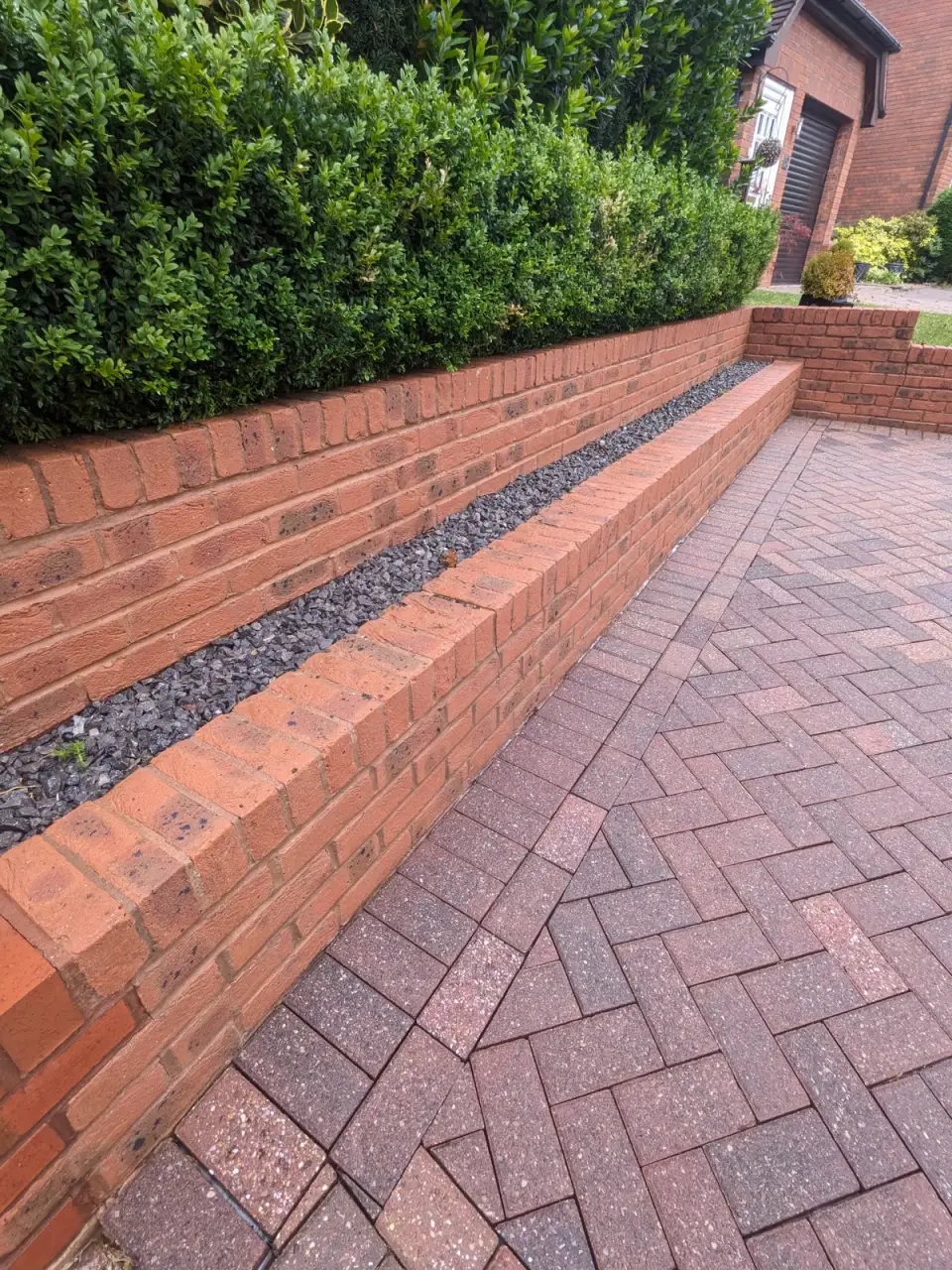
Why the sand matters
Block paving is held together by sand in the joints between the blocks. Over time, rain and cleaning wash some of it out. Without enough sand, blocks can move, weeds find space to grow and the surface can become uneven.
What re-sanding does
After cleaning, kiln-dried sand is brushed into the joints until they are full again. This locks the blocks back together and leaves less room for weeds.
What sealing does
A sealer is applied over the paving once it's fully dry. It binds the sand in the joints, helps stop weeds and moss, and makes oil and dirt easier to clean off. You can usually choose a natural finish or a 'wet look' that deepens the colour.
Pros and cons
- Pro: keeps the blocks firm and the surface even
- Pro: fewer weeds and easier cleaning
- Pro: the paving looks newer for longer
- Con: it needs dry weather, so it may take a second visit
- Con: it needs redoing every few years
How long it lasts
Most sealed driveways need resealing every 2 to 3 years, depending on how much traffic, shade and weather they get.
Want a professional to take a look? Send us a photo on WhatsApp and we’ll reply with a free, fixed quote — usually within 2 hours.